
Key takeaways
- TensorFlow 2.0 aims to enhance user experience, focusing on ease of use and accessibility.
- Key features include eager execution, expanded platform support, and the removal of deprecated APIs.
- The TensorFlow team plans public design reviews to gather community feedback on the upcoming changes.
- A conversion tool will assist users in transitioning their code to be compatible with TensorFlow 2.0.
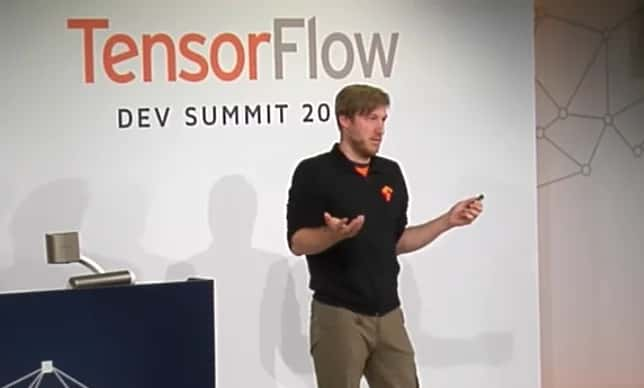
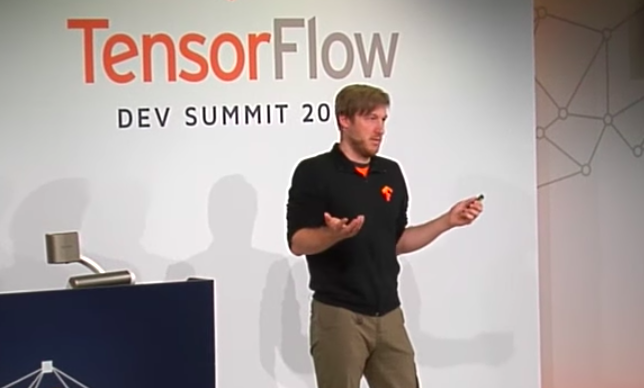 The eagerly-awaited update for the popular machine learning framework TensorFlow was announced earlier this week by Martin Wicke from Google AI. He announced the news on his Google Group, adding that they are planning to release a preview version of TensorFlow 2.0 in late 2018.
Since its open-source release in 2015, TensorFlow has become one of the most widely adopted ML frameworks, catering to a broad spectrum of users and use-cases. In this time, TensorFlow has evolved along with rapid developments in computing hardware, machine learning research, and commercial deployment.
Wicke said on the group, "TensorFlow 2.0 will be a major milestone, with a focus on ease of use." He added that the major highlights of the new update were:
- Eager execution
- Support for more platforms and languages
- Removal of deprecated APIs
- Reduction of duplication
Spotted an error? Tell our editors. Read our editorial standards and corrections.