
Key takeaways
- Asian drugmakers are increasingly integrating machine learning into various pharmaceutical processes.
- Deep Intelligent Pharma leverages AI for medical transcription and regulatory compliance.
- Fujitsu is contributing to the pharmaceutical sector by developing advanced AI solutions.
- AI applications in drug discovery and medical prescriptions are gaining traction in the industry.
- Investments in AI-driven initiatives by pharmaceutical companies are on the rise.
Deep Intelligent Pharma
Deep Intelligent Pharma (DIP) focuses mainly on building software for providing medical transcription using AI. This Chinese company deploys natural language processing(NLP) frameworks to sift through the exhaustive regulatory documents and assist the pharma companies in manufacturing content which adheres to the law. These AI-enabled writing tools, including automated transcription, tabulated data analysis, document review, and quality control will be used to create content and documents to be submitted to regulatory bodies such as the Food and Drug Administration. The company has raised $26.1 million in funding from Sequoia Capital China and ZhenFund.Fujitsu
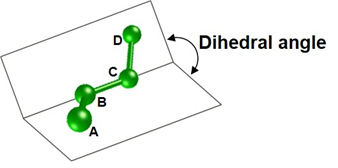
Fujitsu Laboratories is a Japanese company that offers molecular simulation software for drug discovery, which it claims can help pharmaceutical companies and drug research centres estimate the binding affinity of protein molecules. The software predicts how well the protein molecules will bind to disease-causing proteins, which in turn could become candidate drugs for clinical trials. There are four types of forces between the atoms according to Newtonian mechanics:- Those that depend on the distance between two atoms bonded to each other
- Those that rely on the angles between three atoms bonded to each other
- On the degree of torsion in the bond, and
- The distance between atoms that are not bonded.
XtalPi
XtalPi offers the Intelligent Digital Drug Discovery and Development (ID4) platform, for drug development using machine learning. Based out of China, Xtalpi uses crystal structure prediction (CSP), also known as polymorph prediction technology to calculate the crystal structures of molecules and their stability. CSP is important in drug development because many drugs are approved for only a single crystal form or polymorph. Medical treatments are often administered orally as a crystalline solid, and their solubility and shelf life depends on their crystal form.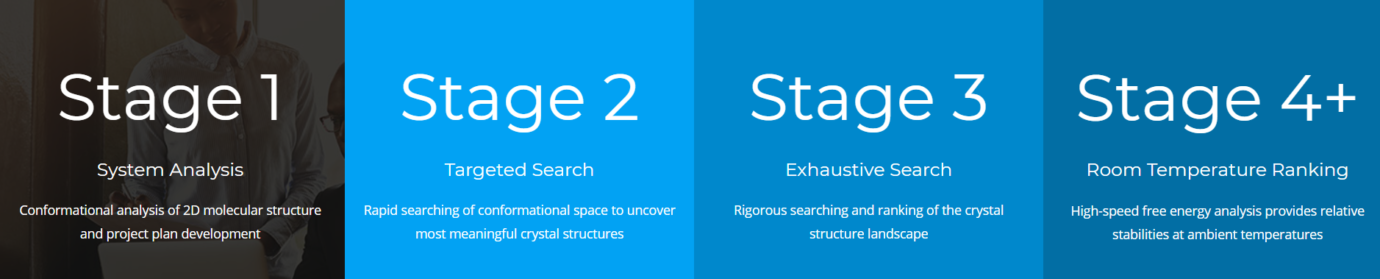
Future Direction
There are now four Chinese drugmakers with a market capitalization of over $10 billion. India and China, occupy the top 2 positions in terms of market value in the Asian pharma sector. With revenues on par with their western counterparts, it seems reasonable, for these Asian drugmakers to imbibe world-class technology into the most crucial health sector. With improved accessibility and renewed data collection techniques, the future of human health looks bright in the vicinity of AI.Spotted an error? Tell our editors. Read our editorial standards and corrections.