
Key takeaways
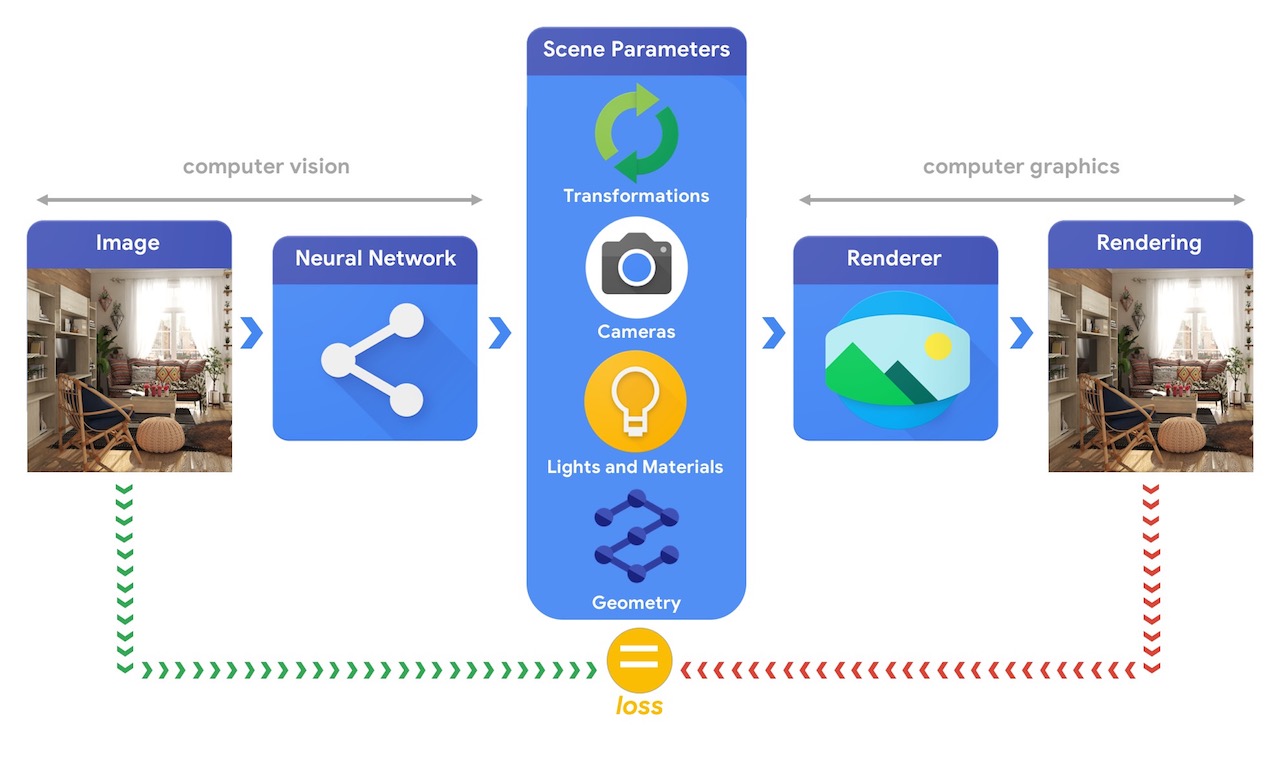
- TensorFlow Graphics aims to enhance computer vision by leveraging graphics knowledge for improved neural network architectures.
- The library emphasises abstraction, allowing data scientists to implement algorithms more easily without delving into complex details.
- Recent advancements in neural network architectures have integrated differentiable graphics layers for enhanced functionality in machine learning.
- Google researchers highlight the efficiency gains in neural networks by incorporating insights from computer vision and graphics.
What Does TensorFlow Graphics Have To Offer
The following are one of the few functionalities of the new library that TensorFlow boasts of: Transformations Object transformations control the position of objects in space. In the illustration below, the axis-angle formalism is used to rotate a cube.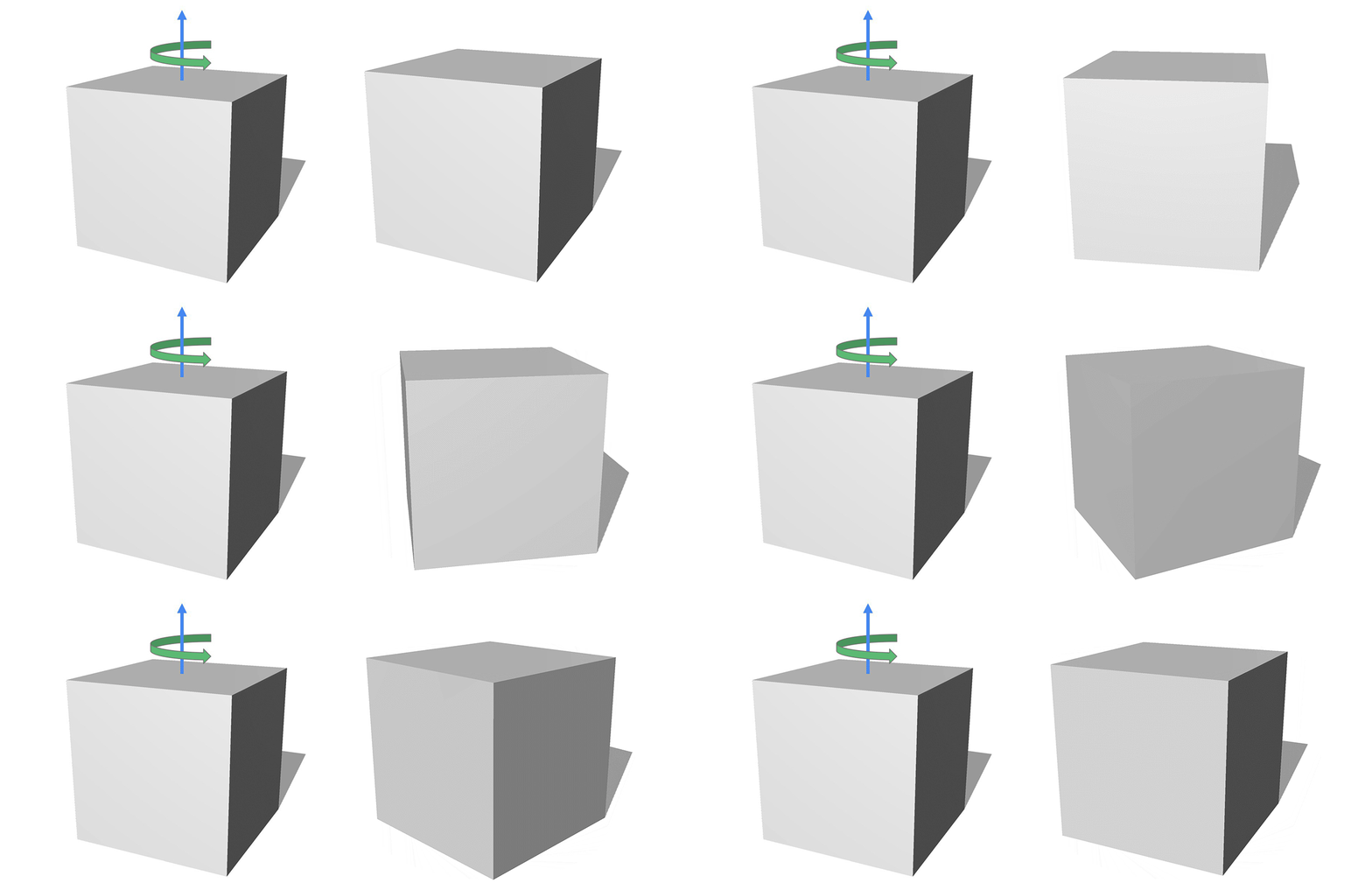 Modelling Cameras
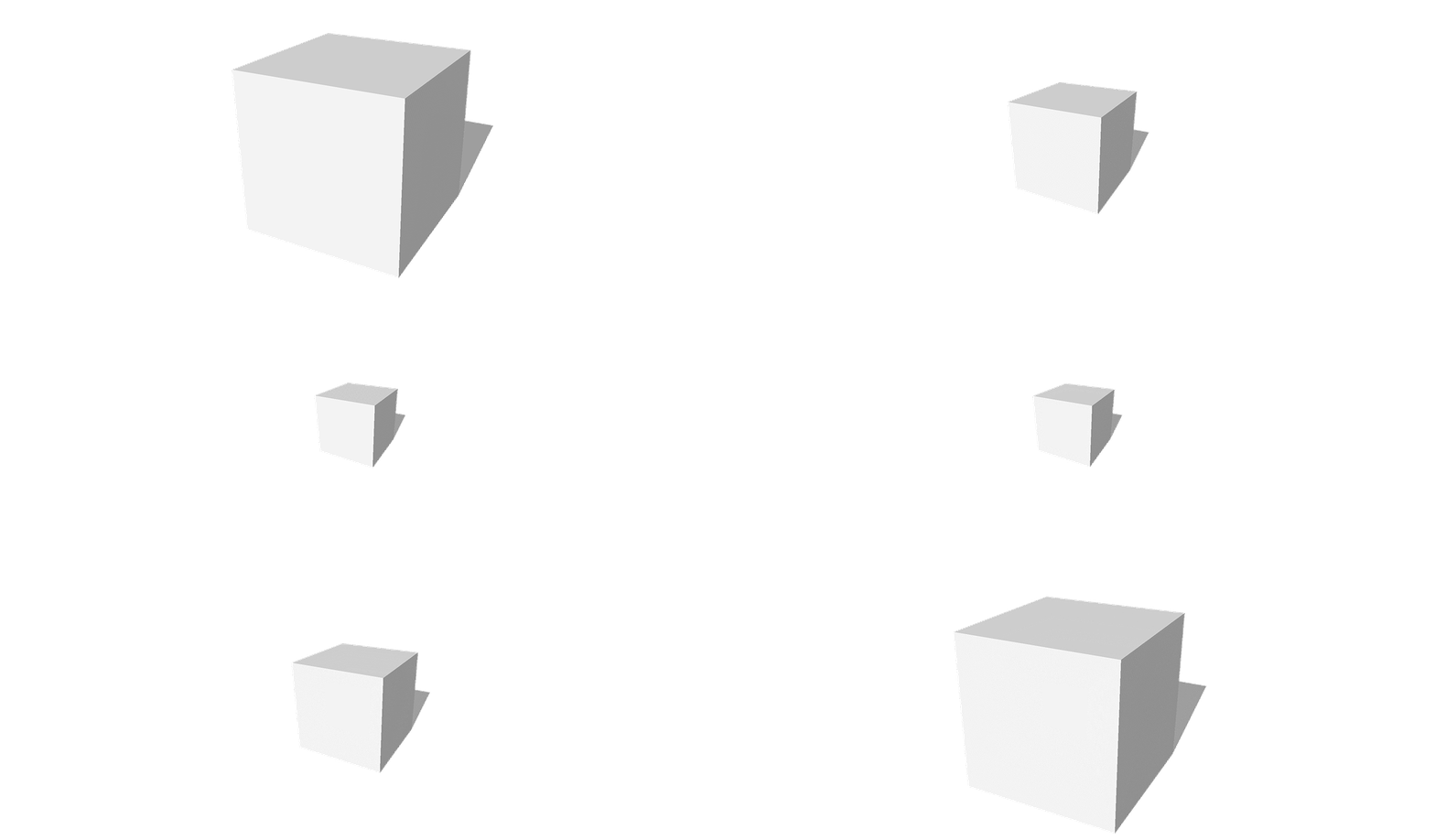
Camera models greatly influence the appearance of three-dimensional objects projected onto the image plane. As can be observed below, the cube appears to be scaling up and down, while in reality, the changes are only due to changes in focal length.
 Materials
Now, TensorFlow Graphics allows users to drop virtual furniture in their environment and have the pieces photo-realistically blend with their interior with this new feature.
TensorBoard 3D
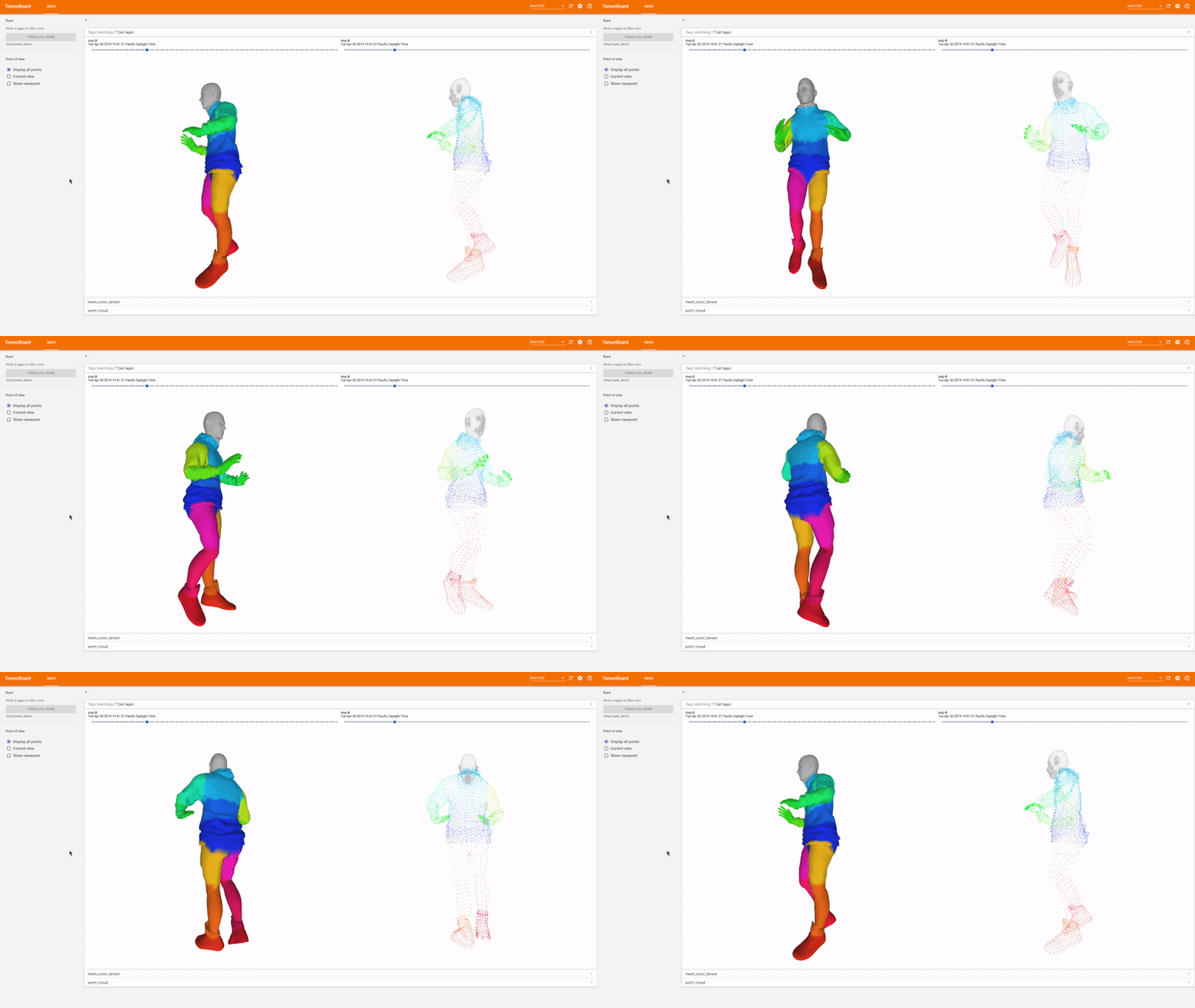
Visual debugging is a great way to assess whether an experiment is going in the right direction. To this end, TensorFlow Graphics comes with a TensorBoard plugin to interactively visualize 3D meshes and point clouds.
 Geometry — 3D convolutions and pooling
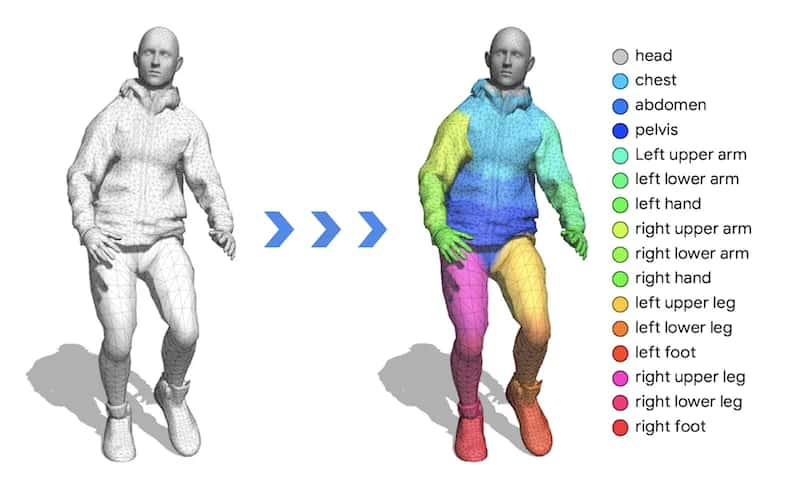
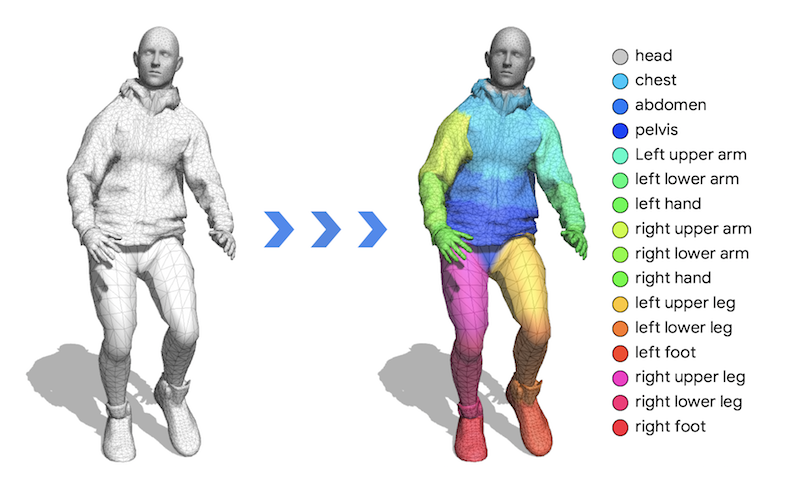
TensorFlow Graphics comes with two 3D convolution layers, and one 3D pooling layer, allowing, for instance, the training of networks to perform semantic part classification on meshes.
Installing TensorFlow graphics:
pip install tensorflow_graphics
With the experiments such as Tossing Bot and depth maps showing promising results, the release of TensorFlow graphics couldn't have come at a better time.
From 3D reconstruction to adding video effects like synthetic defocus,as the domain of computer vision extends it reach, collecting every innovation into its arsenal, the future looks bright for AGI.
You can experiment with the library here.